A much needed solar and battery installation is making progress on a remote Indigenous Protected Area in central-western New South Wales, bringing cleaner, more reliable energy to the local community.
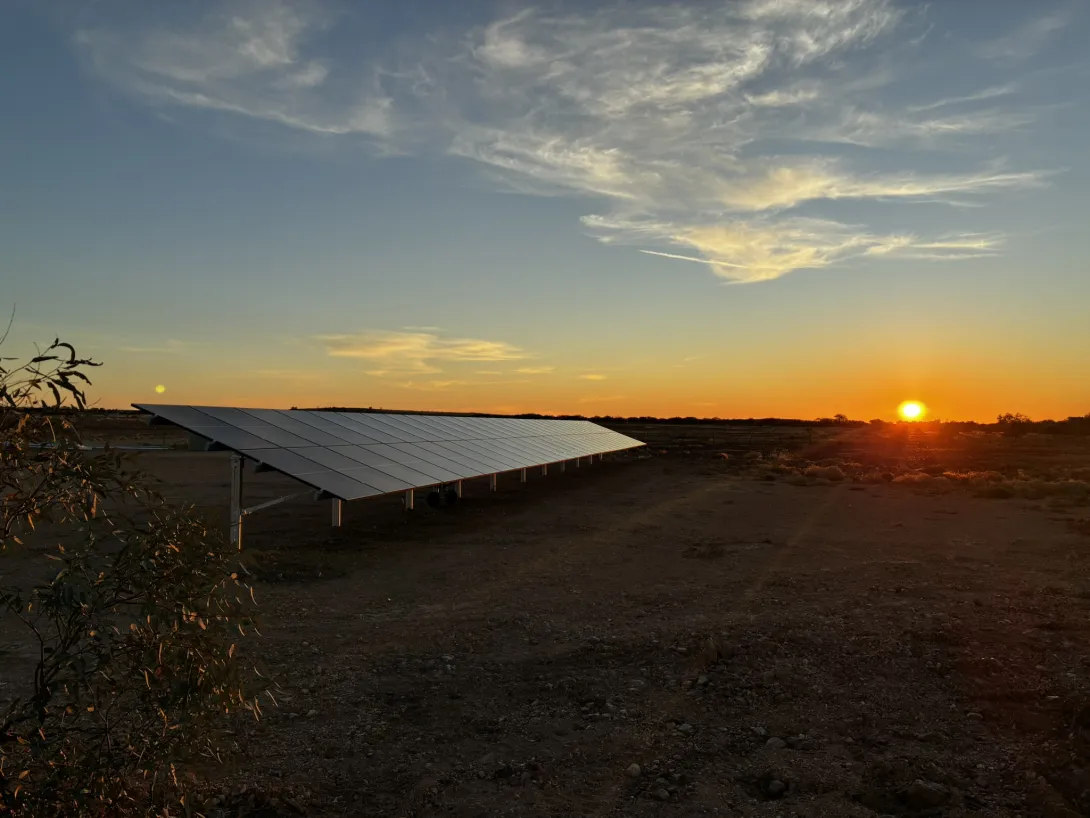
Following almost $50,000 of funding from the Indigenous Land and Sea Corporation (ILSC), the Winangakirri Aboriginal Corporation (WAC) will soon have access to a 17KW modern solar, battery and backup diesel generator energy system.
This will provide continued power for WAC’s accommodation and operations, reducing their diesel dependence while ensuring a safe living and working environment that supports ongoing land management across their Mawonga property.
Mawonga is a 22,373 ha culturally and environmentally significant piece of land, belonging to the Ngiyampaa Wangaaypuwan people in Roto, on Ngiyampaa Country, and was divested to WAC from the ILSC just over ten years ago.
Mawonga holds deep spiritual connection to the local Indigenous community – it houses traditional rock art sites, camping areas and travelling pathways that reflect the history and cultural practices of Ngiyampaa Wangaaypuwan people.
The property also supports important ecological systems, including mallee woodland ecosystems and habitats for a range of native species, including the Yungkay (Malleefowl) totem.
The solar system will reside on Mawonga’s Shearers Quarters, which provides accommodation and operational facilities for five Winangakirri rangers, and hosts cultural camps and On Country activities, making reliable power essential for both operational and cultural purposes.
WAC’s current solar system, which is not grid-connected, is beginning to struggle meeting the property’s power demands, forcing heavy reliance on diesel generators, which consume the greatest amount of fuel across the property.
When power fails in extreme heat, food supplies are lost, creating additional cost and logistical challenges for Mawonga, which is located 80 kilometres from the nearest town.
Hopefully, a soon to be problem of the past.
Combined, the property’s solar systems are estimated to reduce annual diesel spend by almost $20,000 – which will be reinvested into land management activities on Mawonga such as its ranger program.
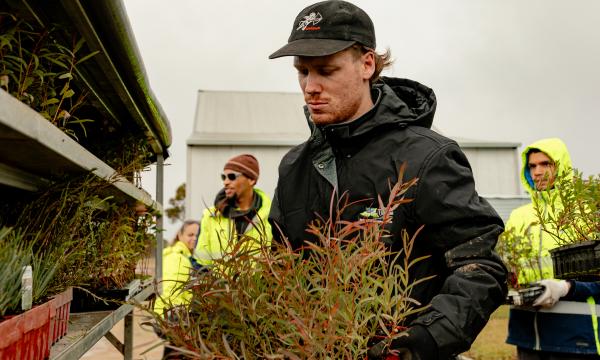
WAC currently employs five Indigenous rangers who focus on cultural heritage protection, fire management, pest control, biodiversity monitoring and the development of visitor and cultural tourism opportunities.
WAC Board Chair Madison Penrith said the new system will be a game changer in the way WAC operates, services the community and cares for Country.
“Having a secure power supply is so important for us here at WAC.
“Whether you are a part of the community, a ranger, a Traditional Owner or a member of the Board – we are all deeply connected to Ngiyampaa Country – this solar and battery installation will enhance the way we all work collectively to conserve this land’s natural wonders,” said Ms Penrith.
WAC Board Deputy Chair Stacey O'Hara echoed Ms Penrith’s comments.
“The Shearing Quarters is also an important keeping place for sacred Ngiyampaa artefacts – having this power supply in place is therefore essential.
“We thank the ILSC for their generous support and look forward to our solid partnership continuing as the project progresses,” said Ms O’Hara.
ILSC Group Chief Executive Officer, Joe Morrison, said the project has been driven by strong partnerships between the ILSC and WAC, along with community leadership and a shared vision.
“The ILSC works with First Nations peoples to prioritise their environmental aspirations as the rightful owners of land, water and sea.
“For Indigenous peoples, the transition to clean energy plays a major role in Caring for Country. I look forward to seeing how Mawonga thrives following this system’s installation,” said Mr Morrison.