

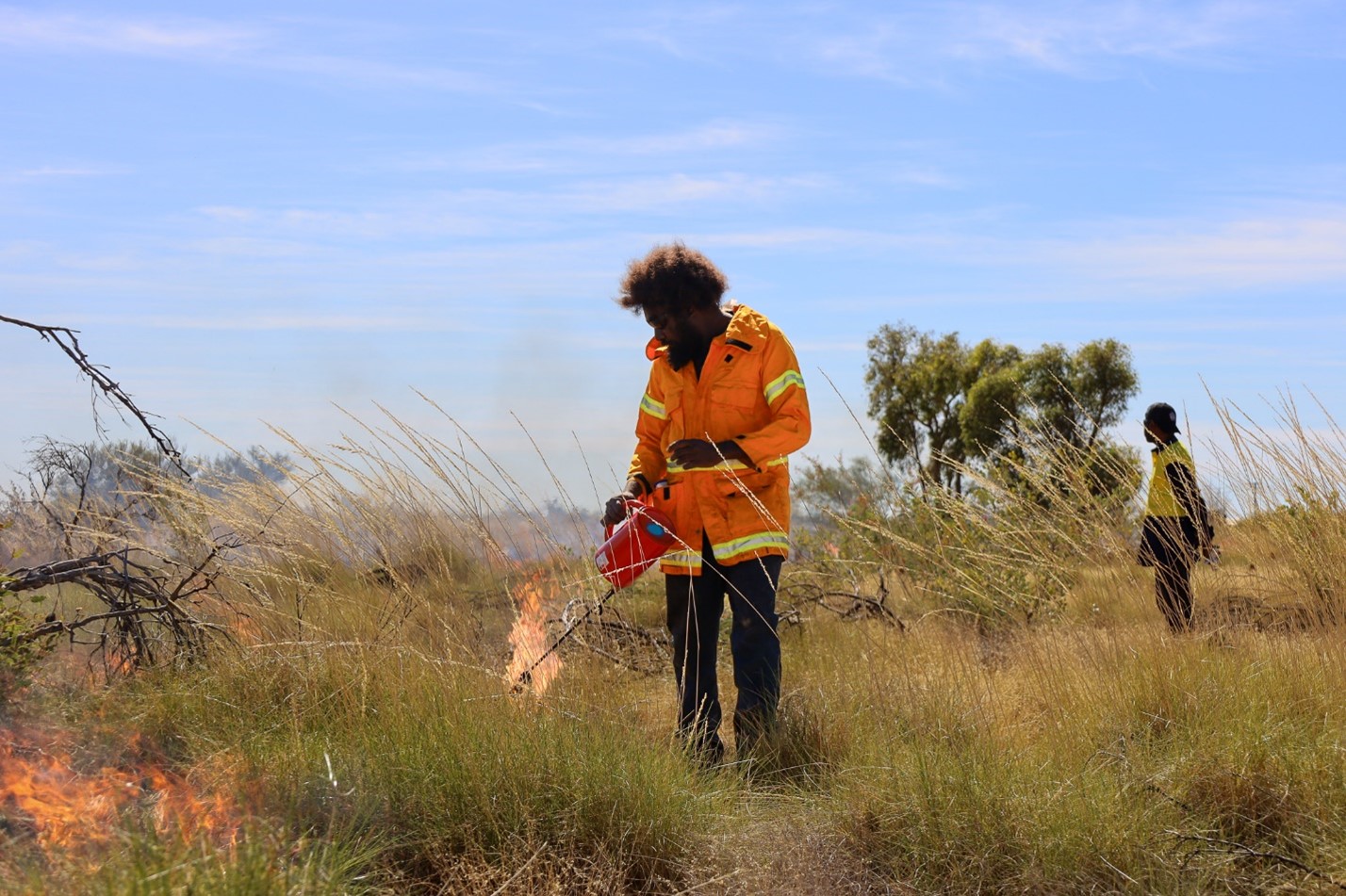
Carbon is everywhere – in the air, oceans, soil, and plants.
When nature is left undisturbed, the landscape acts like a sponge, absorbing and storing carbon and releasing it slowly over time. But when we damage forests by over clearing or too much burning, or coal and gas are used, extra carbon escapes into the atmosphere, causing climate change.
The impacts of climate change are becoming clearer, and governments and businesses are recognising that protecting and restoring nature is essential – not just for the environment, but for economic stability too.
Carbon farming projects help protect and restore the landscape so that it can act as a sponge again, storing more carbon in the landscape.
Carbon farmers can earn carbon credits for each tonne of carbon they return to the landscape. One carbon credit equals one tonne of carbon dioxide (CO₂) removed or avoided through an approved carbon project. The carbon credits can be sold on the carbon market.
Businesses are willing to buy these credits to offset their emissions or support environmental goals. For project owners, selling credits provides money to keep their environmental efforts going and support their community.
Carbon credits from First Nations-led projects can attract higher prices because they offer more than just environmental benefits. This might be cultural, social and economic benefits for people and looking after Country.
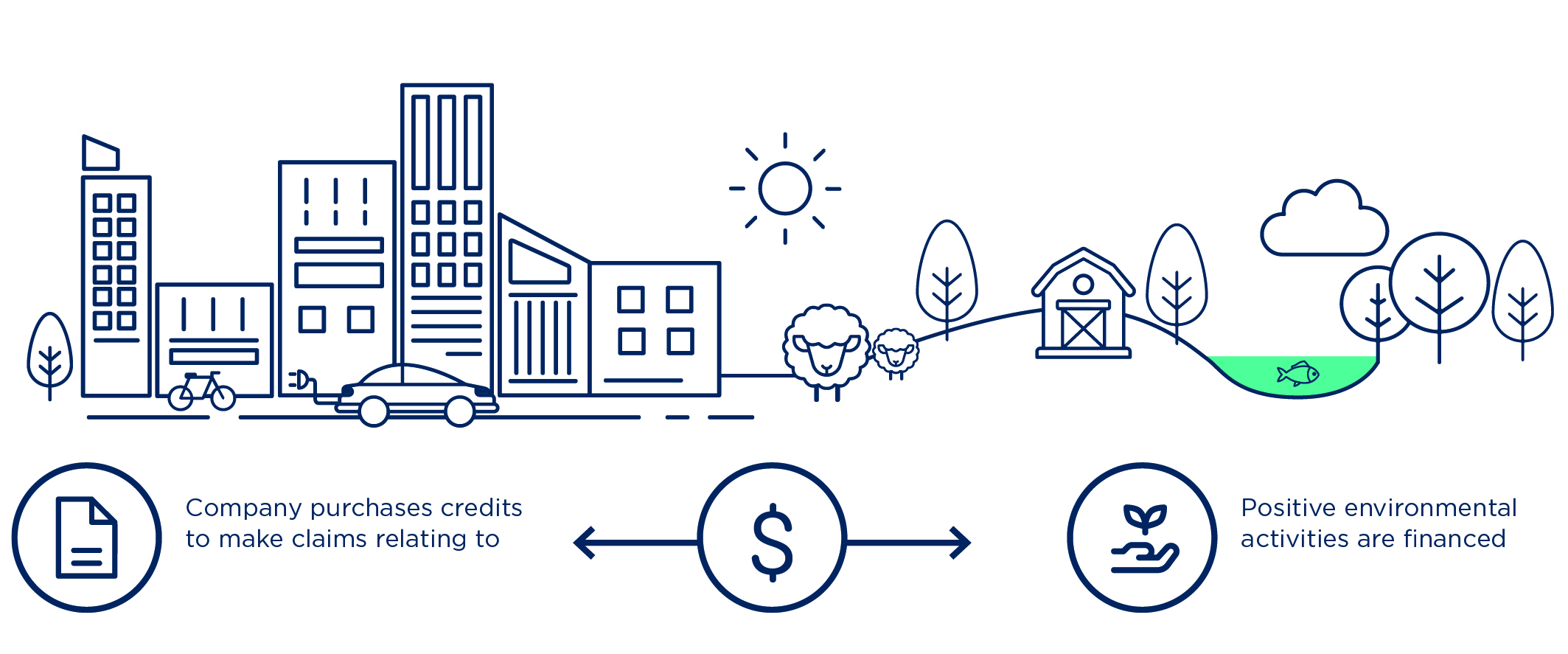
Carbon credits are created from projects like using traditional fire management to prevent big wildfires, planting trees and restoring wetlands.
You can get involved by:
- Starting a carbon project: Use approved methods like savanna fire management or tree planting.
- Partnering with others: Work with other organisations that provide funding or technical support to get involved in projects.
- Building skills: get training in fire management, monitoring, or reporting.
Visit Indigenous Carbon Industry Network to learn more and access toolkits and guides to plan carbon projects


