

Carbon markets operate under different schemes, administered by government or private business. Australia’s main source of carbon credits is the Australian Carbon Credit Unit (ACCU) Scheme.
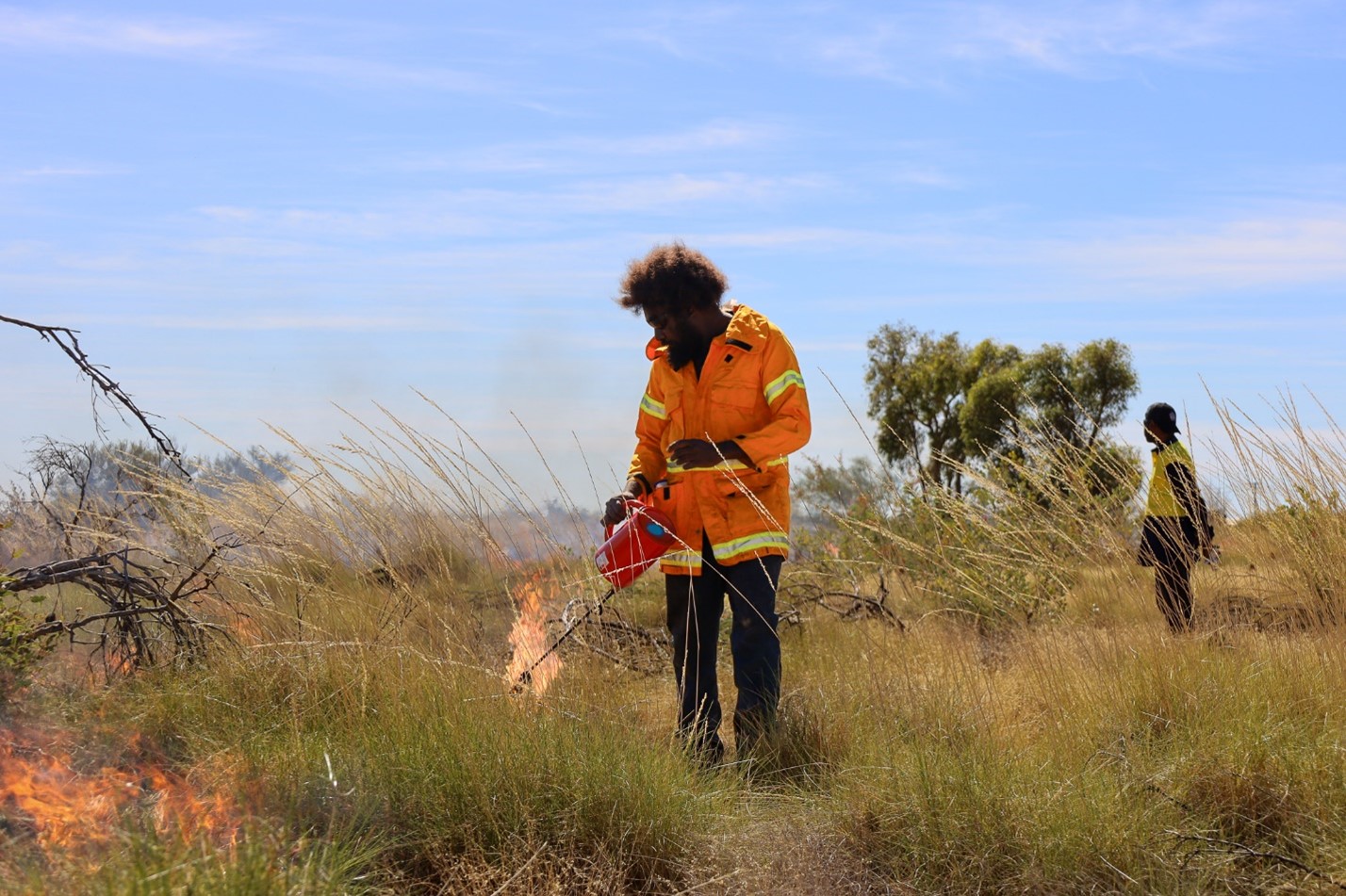
The ACCU scheme supports a wide range of projects that generate carbon credits, such as Indigenous savanna fire management, coastal ecosystem restoration, and forest regrowth and plantings.
Carbon markets create a regulated space where carbon credits can be bought and sold. Carbon credit brokers and businesses that bundle carbon credits from multiple projects into one, large package help connect buyers and sellers, making trading easier—but they add their own costs along the way.
Carbon projects use approved methods to measure how much carbon they remove from the atmosphere or prevent from being released.
Governments or private investors sometimes help fund the start-up costs of projects in exchange for a share of the credits. Projects commit for either 25 or 100 years. Each year, or when enough carbon has been stored, the project operator applies for credits. The regulator checks the claim and then issues the credits.
Companies buy credits to meet their emissions targets or achieve net-zero goals. Some pay extra for credits from projects that support First Nations culture, protect biodiversity, or improve the environment. These goals often fall under Corporate Social Responsibility (CSR) or Environmental, Social, and Governance (ESG) commitments.
The Australian Carbon Credit Unit (ACCU) Scheme is a regulated carbon market run by the Australian government. The ACCU Scheme includes rules and systems for running carbon projects.
It is administered by the Clean Energy Regulator (CER) under the Emissions Reduction Fund (ERF).
Carbon projects need to be registered and ACCUs are only issued after projects are verified. This is to make sure emission reductions have been achieved and helps create a system that is transparent and trustworthy.
To earn ACCUs, carbon projects must comply with methodologies approved by the CER.
The types of activities that can generate ACCUs include:
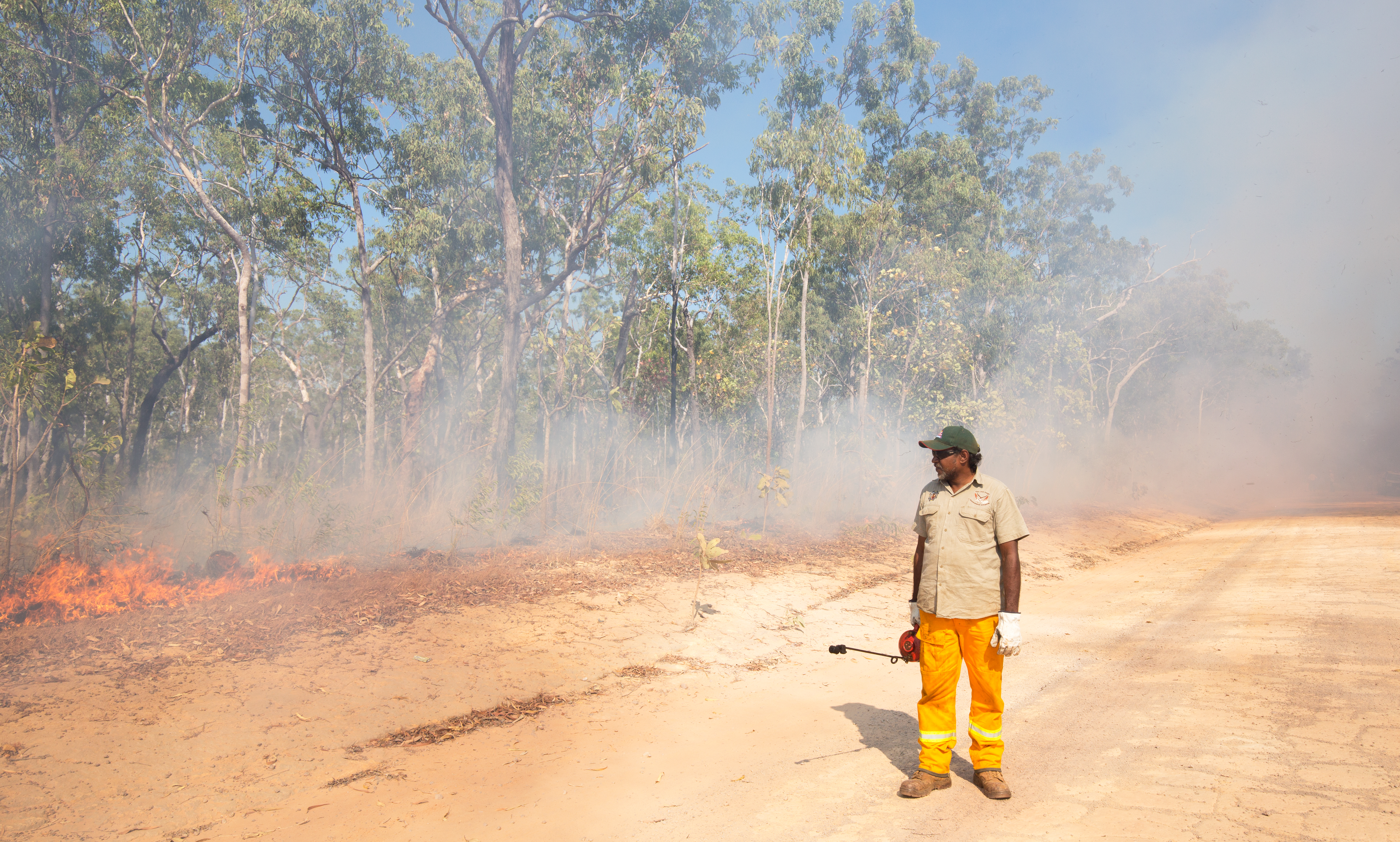
- Savanna fire management
- Planting and regrowing forests
- Increasing the carbon stored in soils
- Methane reduction from landfills or livestock management
- Industrial energy efficiency improvements.
The government has two main drivers for the ACCU Scheme:
- Emissions Reduction Fund (ERF): this is Australia’s main program to reduce greenhouse gas emissions. Financial incentives are given to businesses and land managers to run projects that reduce emissions through ACCUs.
- Safeguard Mechanism: this is the Australian Government rule that limits pollution from Australia’s biggest industrial sites—like mines, factories, and oil and gas plants. If a site produces more than 100,000 tonnes of CO₂ a year, it has a pollution limit called a baseline. If they stay under the limit, great! If they go over, they must buy ACCUs to make up for it. The baseline limits get smaller every year so Australia can cut emissions by 43% by 2030 and reach net zero by 2050.

