

Earning and trading carbon credits
The carbon market landscape is evolving, with new carbon market schemes, initiatives and programs being introduced.
The Indigenous carbon industry holds significant potential. Between November 2021 and April 2024, its value grew by 11 percent, with carbon credits from Indigenous carbon farming projects rising from $53 million to $59 million in value. Businesses that want to meet net-zero commitments and government policies are driving the demand for carbon credits, and this is expected to continue to grow.
First Nations involvement in carbon projects works best when communities own the project and help run it. Having control creates a broad range of benefits – not just environmental – such as social, cultural and economic.
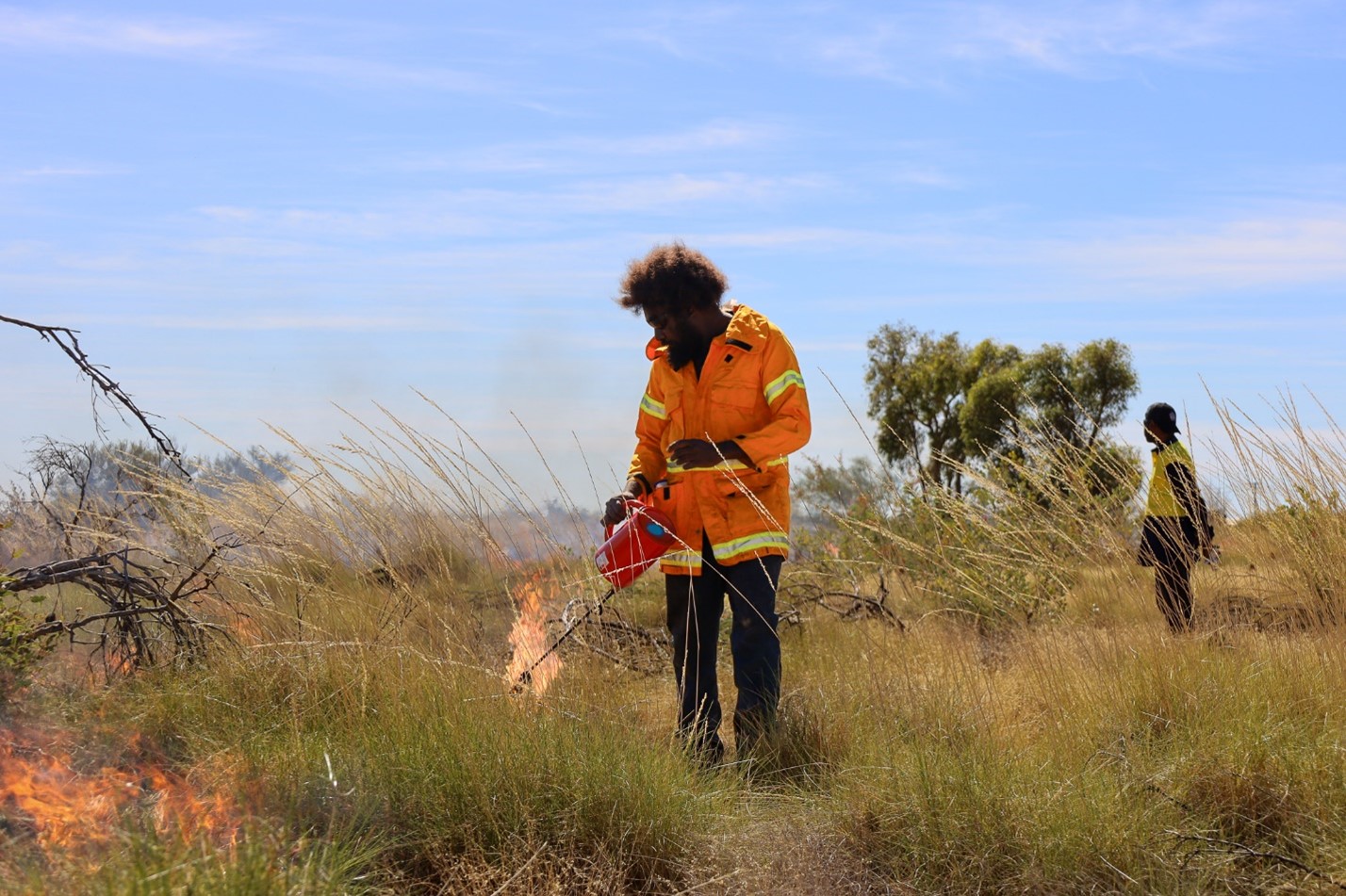
Traditional knowledge has shaped the Savanna Fire Management method, which uses traditional fire practices to reduce emissions and create ACCUs. First Nations people are also bringing their traditional caring for Country approach to tree planting and forest restoration carbon projects.
Key steps to consider in a carbon project:
- Choose scheme: ACCU, Verra (VCS), Gold Standard
- Check eligibility and method: Make sure your project type is allowed (e.g., vegetation, soil carbon, waste, energy efficiency) and confirm you have the legal right to run the project and landholder and Native Title holder consent.
- Plan your project: Understand the permanence requirements that might apply to your project (some projects require a commitment 25 to 100 years) and work out the expected carbon reduction/removal. Include baseline emissions, monitoring plan, and risk assessment.
- Register: complete documents online to register in your chosen scheme and submit relevant documents for your project.
- Wait for approval: confirm that your project has been accepted. Once approved, you can start project activities.
- Validation and verification: Independent auditors will need to check your project against the standards, this can be costly and requires budget.
- Carbon credits issued: After project implementation, monitoring and verification, credits will be issued and can be sold.
