First Nations projects

Stories that celebrate First Nations knowledge, leadership and connection to Country. 

**Aboriginal and Torres Strait Islander people should be aware these stories may include images, voices and names of deceased persons.

First Nations projects
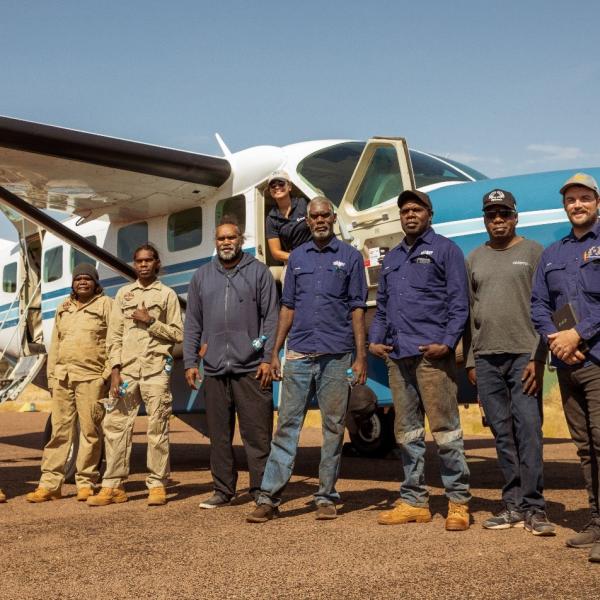
Tiwi Fire and Carbon Project

Tiwi Islanders wanted to use traditional fire practices and create benefits for the Community. But starting carbon projects can be expensive and risky.

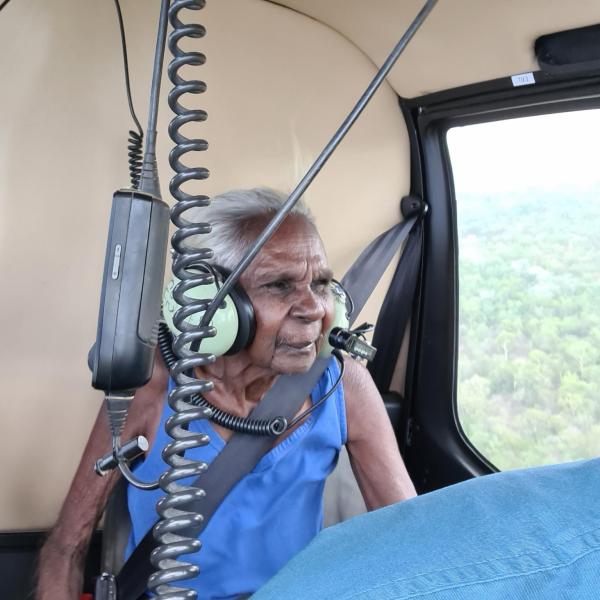
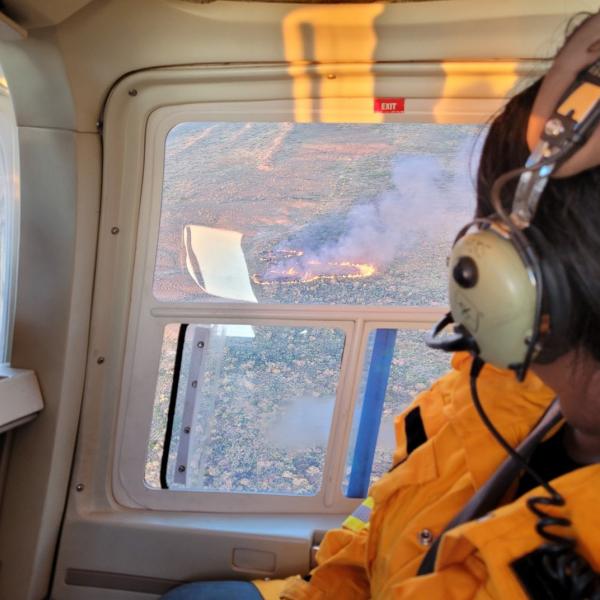
Tanami Indigenous Desert Alliance Project

In the Northern Arid Zone (NAZ) of Australia Traditional Owners can’t earn carbon credits through savanna fire management. Scientists didn’t have enough data about how fires in this region would affect greenhouse gas emissions.

env markets 4. to in helicopter_16

Environmental Accounting in the Savanna

In North Queensland, there wasn’t a clear way to measure the environmental health of savanna land, so it was hard to prove the benefits of Traditional Owner management.

denzel corpus_darwin fish market asc_16

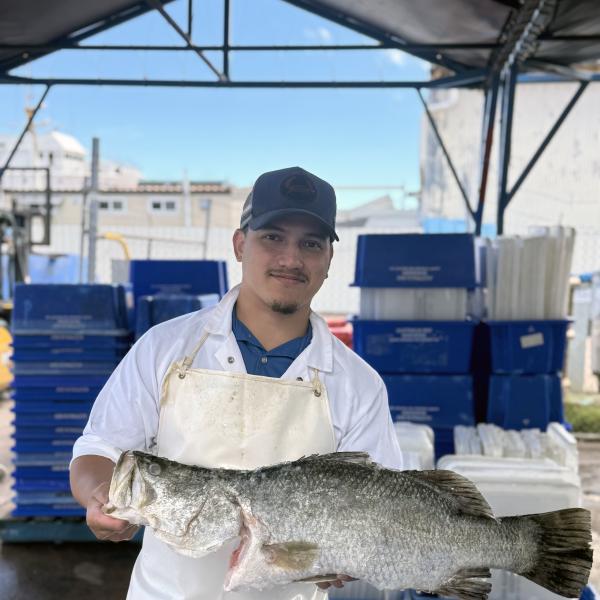
First Nations Fishing in the Northern Territory

Getting established in commercial fishing is very expensive and requires expert technical and commercial knowledge, which means First Nations people are generally missing out on business opportunities and it’s harder to earn money and protect sea Country.

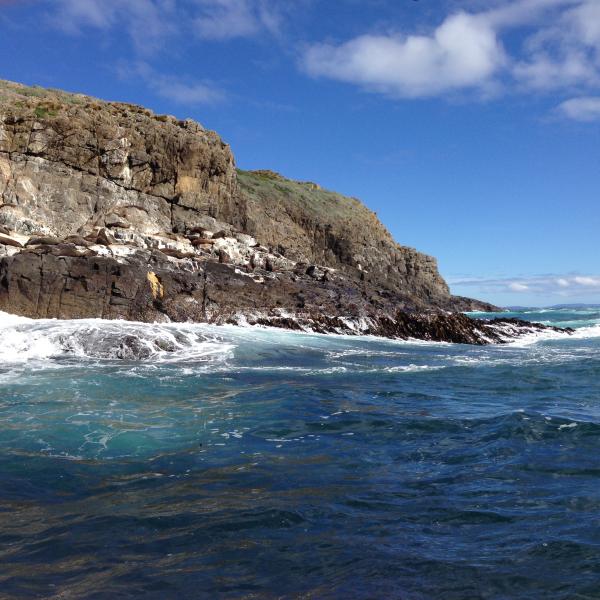
Bruny Island

Abalone Fishery

For a long time, First Nations people have had limited access to commercial fishing. Strict rules around licenses and quotas have meant opportunities are restricted to recreational and small-scale cultural fishing.

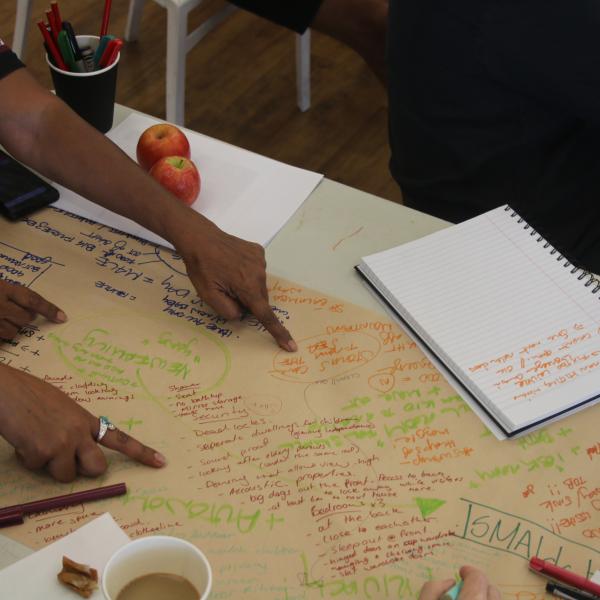
people working in a group to create a plan

A Clean Energy Future for Yarrabah

Yarrabah has faced frequent and long power outages, making it hard for people to access essential services and live comfortably. Many homes also use old, inefficient appliances.

Gayini Water

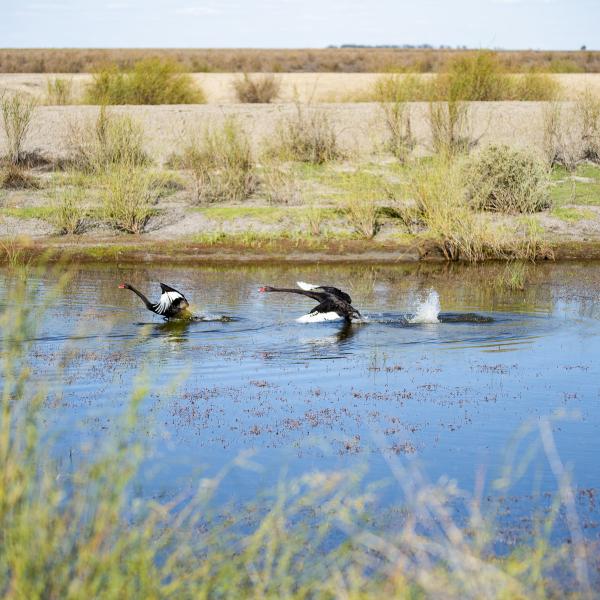
Gayini wetlands

Gayini is one of the largest remaining wetlands in the southern Murray-Darling Basin. Managing such a large and complex site is a major challenge.

The Gunditjmara People had limited access to their traditional lands, making it hard to care for and protect Country. Parts of the landscape were also separated by different ownership, and the natural water flows—crucial for traditional eel farming—were at risk of being disrupted.

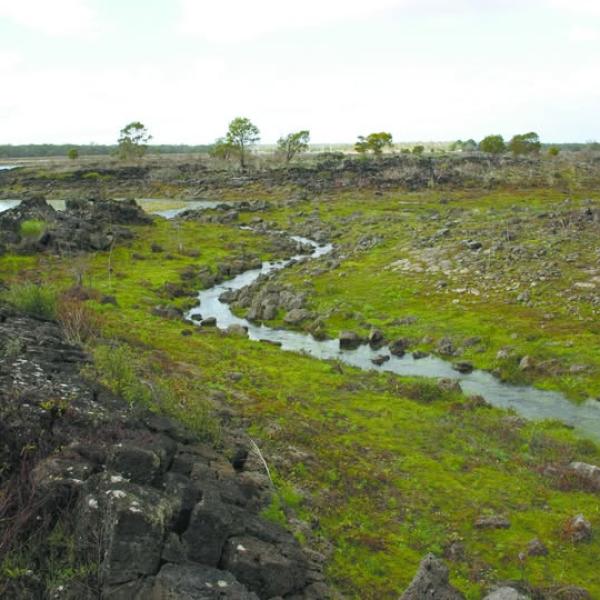
Protecting Budj Bim

The Gunditjmara People had limited access to their traditional lands, making it hard to care for and protect Country. Parts of the landscape were also separated by different ownership, and the natural water flows—crucial for traditional eel farming—were at risk of being disrupted.

FNCEN logo

First Nations Energy Projects

First Nations Clean Energy Network (FNCEN) is tracking First Nations involvement in clean energy projects across Australia. Check out their Project Tracker to see how these projects can bring big…

Slide 1

Acknowledgement of Country

In all of the ILSC’s activities we pay our respect to the Traditional Owners and Custodians of the lands, waters and skies on which we live and work. We honour the resilience and continuing connection to Country, culture, and community of all Aboriginal and Torres Strait Islander people across Australia. We recognise the decisions we make today will impact the lives of generations to come.