


Abalone Fishery
For a long time, First Nations people have had limited access to commercial fishing. Strict rules around licenses and quotas have meant opportunities are restricted to recreational and small-scale cultural fishing.
Country: Lutruwita
Project Partners: Tasmanian Government
Sector(s): Fisheries and aquaculture
Creating jobs and sustainable harvests
In 2022, the Tasmanian Government made an historic agreement with the Land and Sea Aboriginal Corporation of Tasmania (LSACT). This agreement gave LSACT control of 40 abalone quota units, allowing Aboriginal people to take part in Tasmania’s world-leading commercial abalone industry.
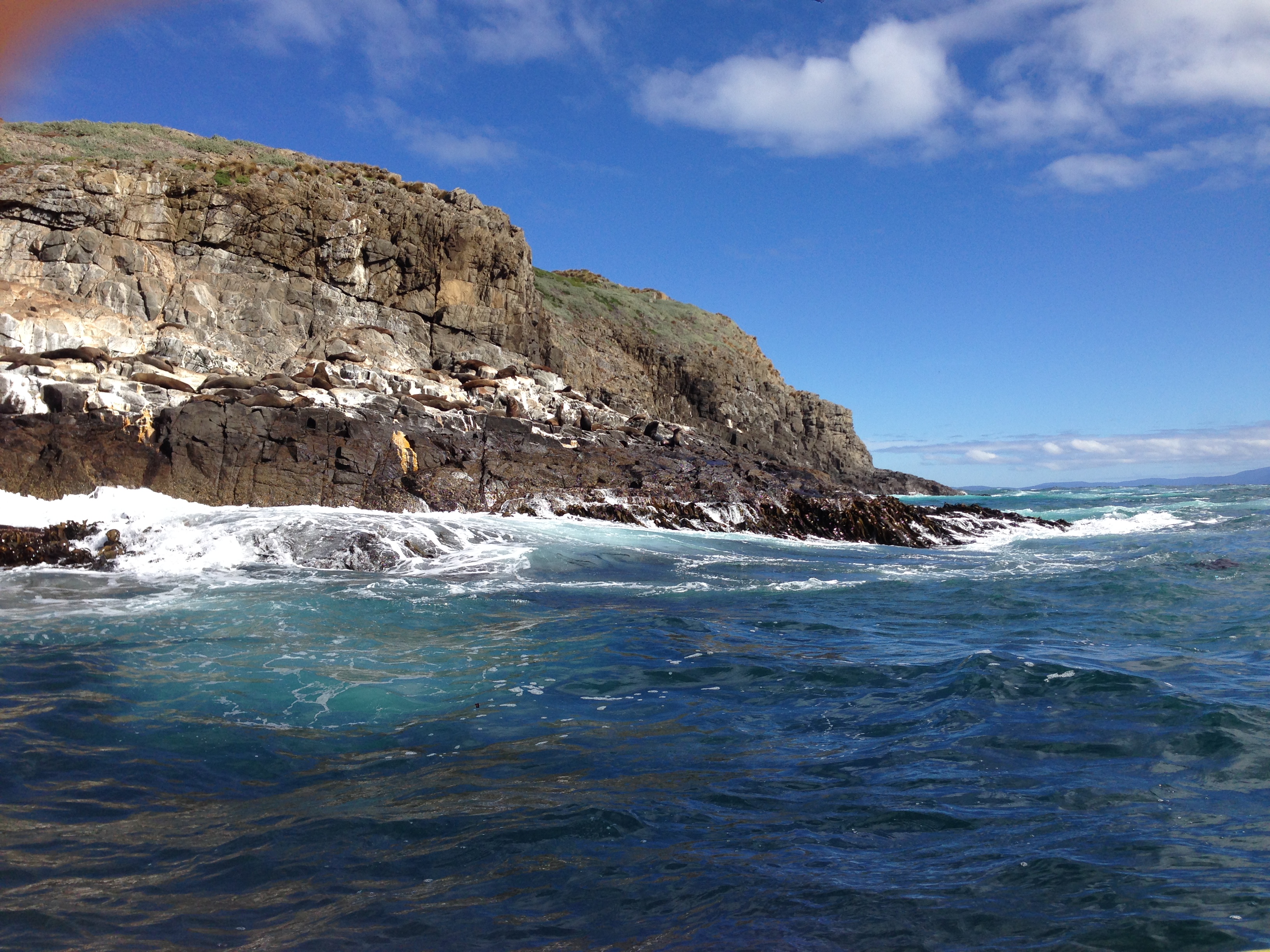
Tasmania’s wild abalone fishing industry is the largest in the world, making up about 25% of the global wild harvest. The industry contributes around $100 million a year to the state’s economy, and an additional $300 million through associated activity.
After the agreement was signed, LSACT received funding to:
- Build a successful Aboriginal-run fishing operation
- Employ Aboriginal divers and deckhands
- Promote sustainable practices, like avoiding fishing during spawning season
- Secure the quota permanently in recognition of their success
- Train 60 Aboriginal trainees through the Wave to Plate program, helping people build careers in fishing, hospitality, and tourism.
This agreement has opened the door for Aboriginal leadership and long-term involvement in Tasmania’s fishing industry.
What’s next?
LSACT plans to continue developing partnerships with restaurants and draw on 40,000 years of cultural knowledge to ensure a sustainable future for the abalone industry in Tasmania.