


Tanami Indigenous Desert Alliance Project
In the Northern Arid Zone (NAZ) of Australia Traditional Owners can’t earn carbon credits through savanna fire management. Scientists didn’t have enough data about how fires in this region would affect greenhouse gas emissions.
Project Partners: Indigenous Desert Alliance, Indigenous Land and Sea Corporation
Sector(s): Carbon
Savanna fire management works well in tropical savanna areas. Land managers can reduce greenhouse gas emissions by right-way fire management, and they can earn carbon credits for doing it.
Even though the land in the Northern Arid Zone (NAZ) has similar vegetation and fire risks, the savanna fire method can’t be used for carbon credits.
The Indigenous Desert Alliance (IDA), with help from the Indigenous Land and Sea Corporation (ILSC), ran a big research program to help fix this.
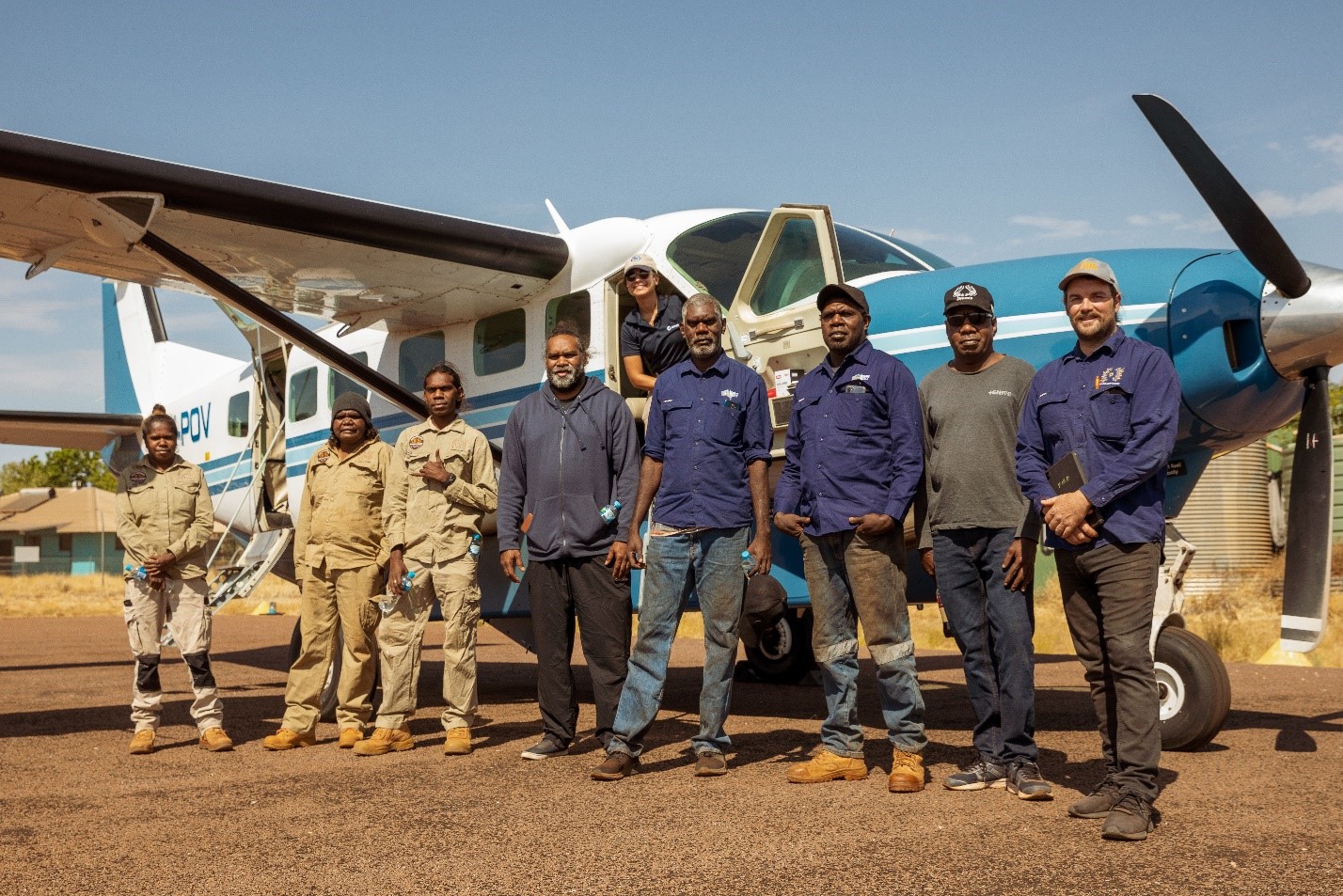
Indigenous Rangers from across the NAZ worked with scientists to collect data on fire emissions and vegetation. They also carried out controlled burns using traditional knowledge and learned skills like fire planning and record keeping.
This research covered huge areas of desert, including the Tanami and Great Sandy deserts, which are mostly Indigenous-managed and controlled through exclusive possession native title rights.
The results were published in a science journal in 2023 and shared with the Australian Government. This data is now being used to update carbon accounting models.
In 2024, the government agreed that extending the savanna method to the NAZ should be a priority.
What’s next?
If the method is extended, Indigenous land managers in the NAZ will be able to earn carbon credits by using right-way fire management. The new area would cover about 850,000 square kilometres and involve around 15 ranger groups. This would create jobs, income, and support caring for Country.