

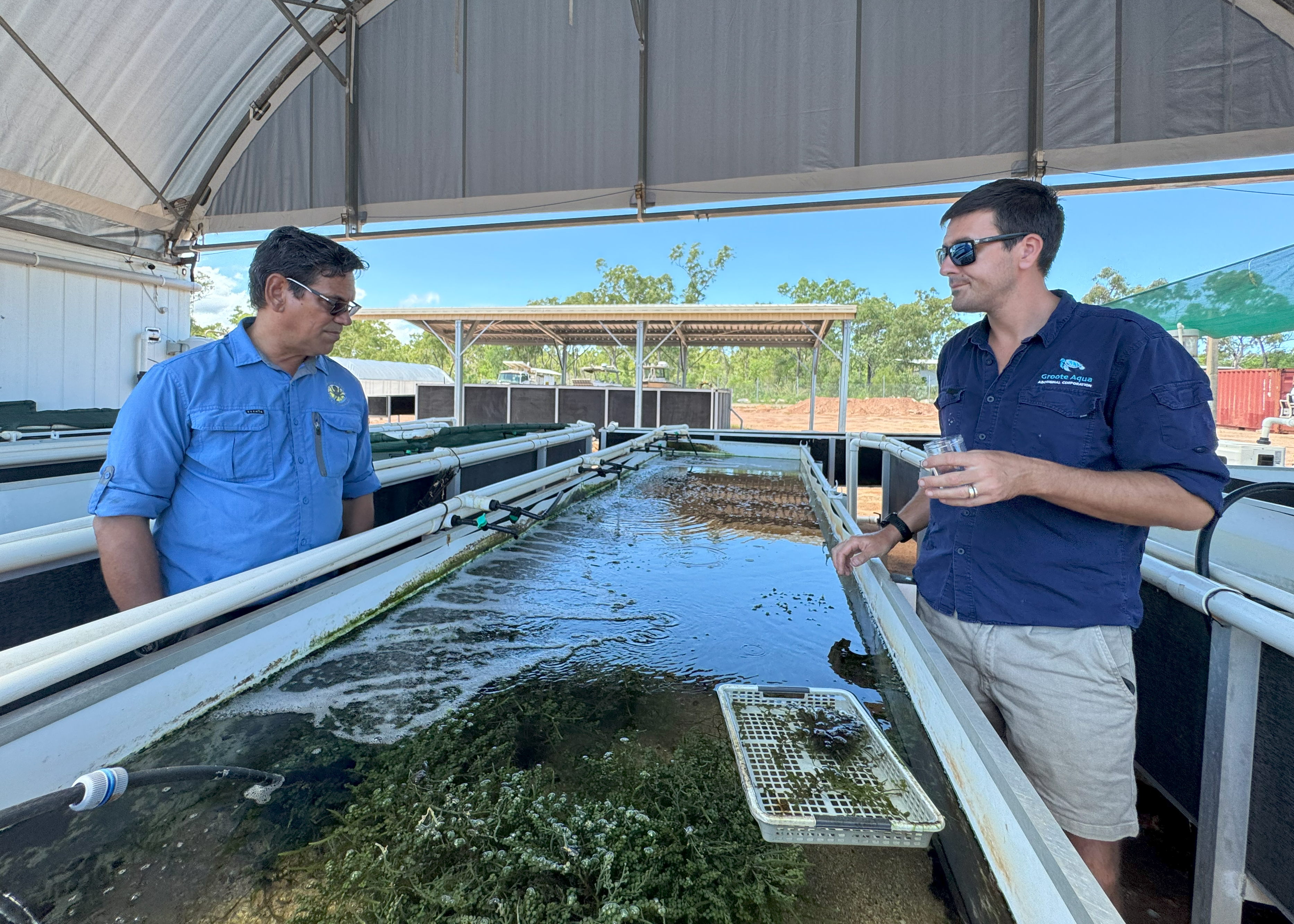
Fisheries and aquaculture are important for food, culture, and jobs. Together, they support local communities and add about $3.5 billion to Australia’s economy every year.
Fisheries in Australia are managed by rules that vary depending on where you are. These rules decide:
- Who can fish
- What equipment can be used
- How much can be caught
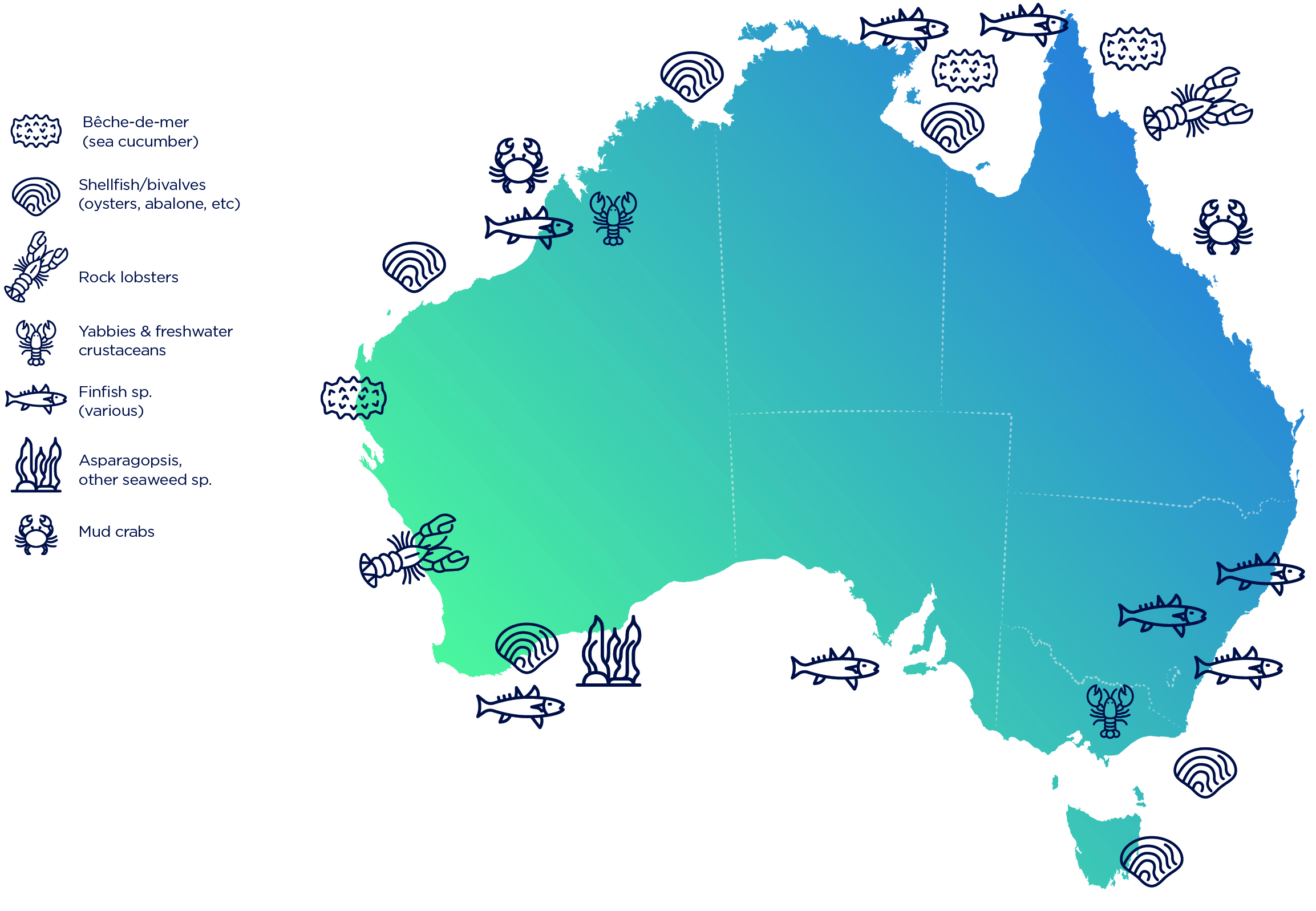
Some of the ways to be part of the fisheries or aquaculture sector include:
- Cultural fishing: some states and territories allow for traditional fishing for personal or community use, and there are also job opportunities related to fishing, such as sea Country health and fishery monitoring through Sea Ranger programs
- Building partnerships / working with others: there are job opportunities working with scientists, engineers, or established First Nations fisheries.
- Starting a related business: consider new products that include cultural stories and practices, offering cultural fishing tours or educational experiences based on traditional fishing practices.
- Advocacy and leadership: joining conferences and speaking up for First Nations rights in fishing.
- Establishing a fishing business (commercial fishing): getting a license and quota for commercial fishing can be expensive, but some First Nations communities own fishing licenses which create job opportunities, as well as other benefits.
*Facts and figures are from the Fisheries and Aquaculture Companion Reader (ILSC 2025)


