

Together, fisheries and aquaculture add about $3.5 billion to Australia’s economy every year.
Wild Catch Fisheries
There are three main types of wild catch fisheries:
- Inland (rivers and lakes) – very small part of the industry, managed by states and territories
- Coastal (near the shore) – managed by states and territories
- Offshore (far from shore) – managed by the federal government
Most of the market value comes from a few species like: Lobsters, Prawns, Crabs, and Finfish (like mullet, coral trout, and tuna)
Aquaculture
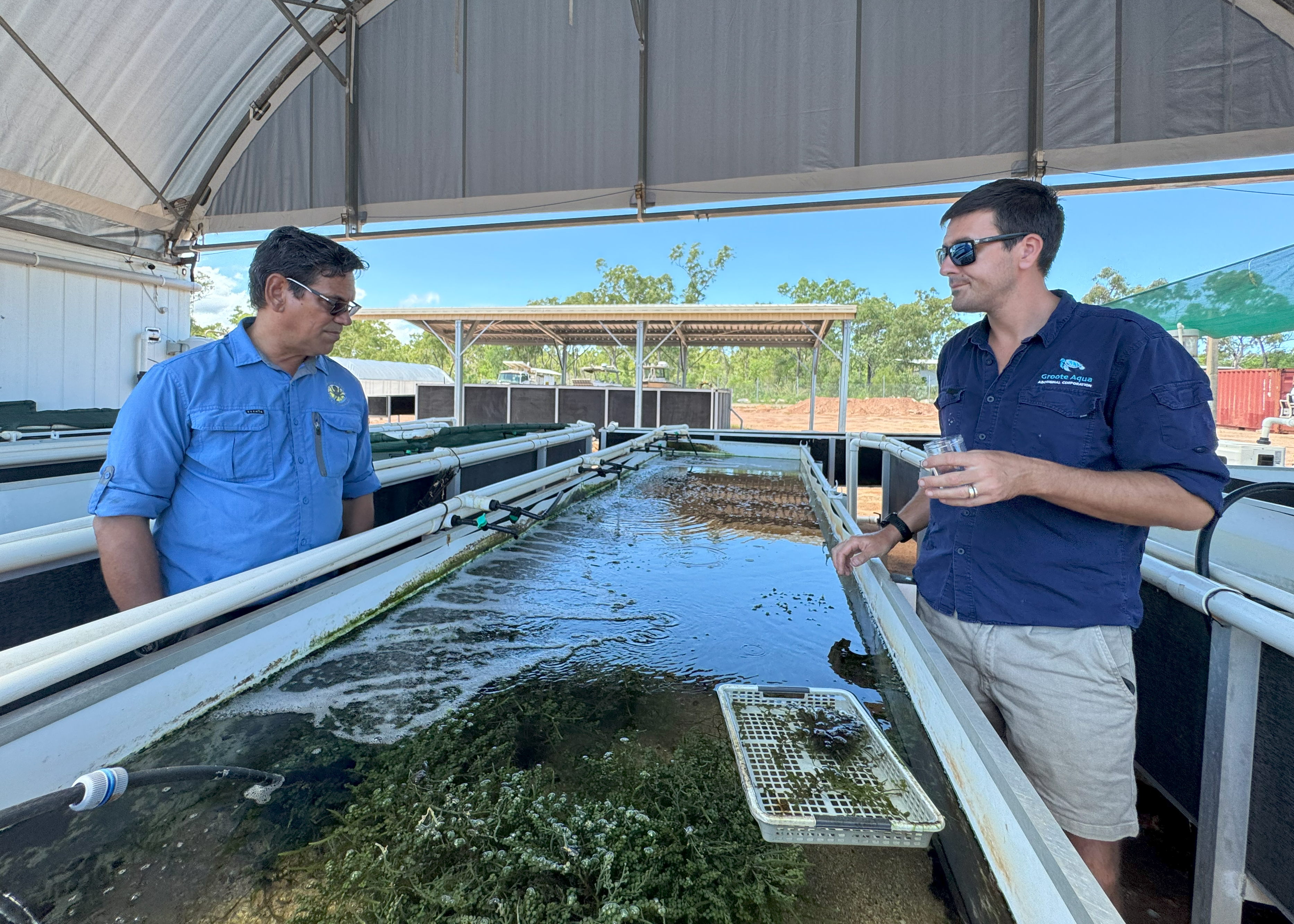
Seafood like Atlantic salmon, prawns, and oysters are farmed in man-made or controlled environments. Atlantic salmon contributes more than $1.1 billion a year to Australia’s economy!
To fish commercially in Australia, you need to follow rules that include:
- Licences: permission to fish in certain areas
- Quotas: how much fish you are allowed to catch in a specific area
- Equipment rules: what boats and gear you can use
These licenses and rules help make fishing sustainable by protecting targeted fish populations and the environment.
Accessing the commercial fishing industry can be difficult and very expensive. Fishing licences and quotas are hard to get and the equipment needed is expensive to buy and maintain.
Some First Nations fishers can collect commercial fish species through state or territory-recognised cultural fishing rights.

