

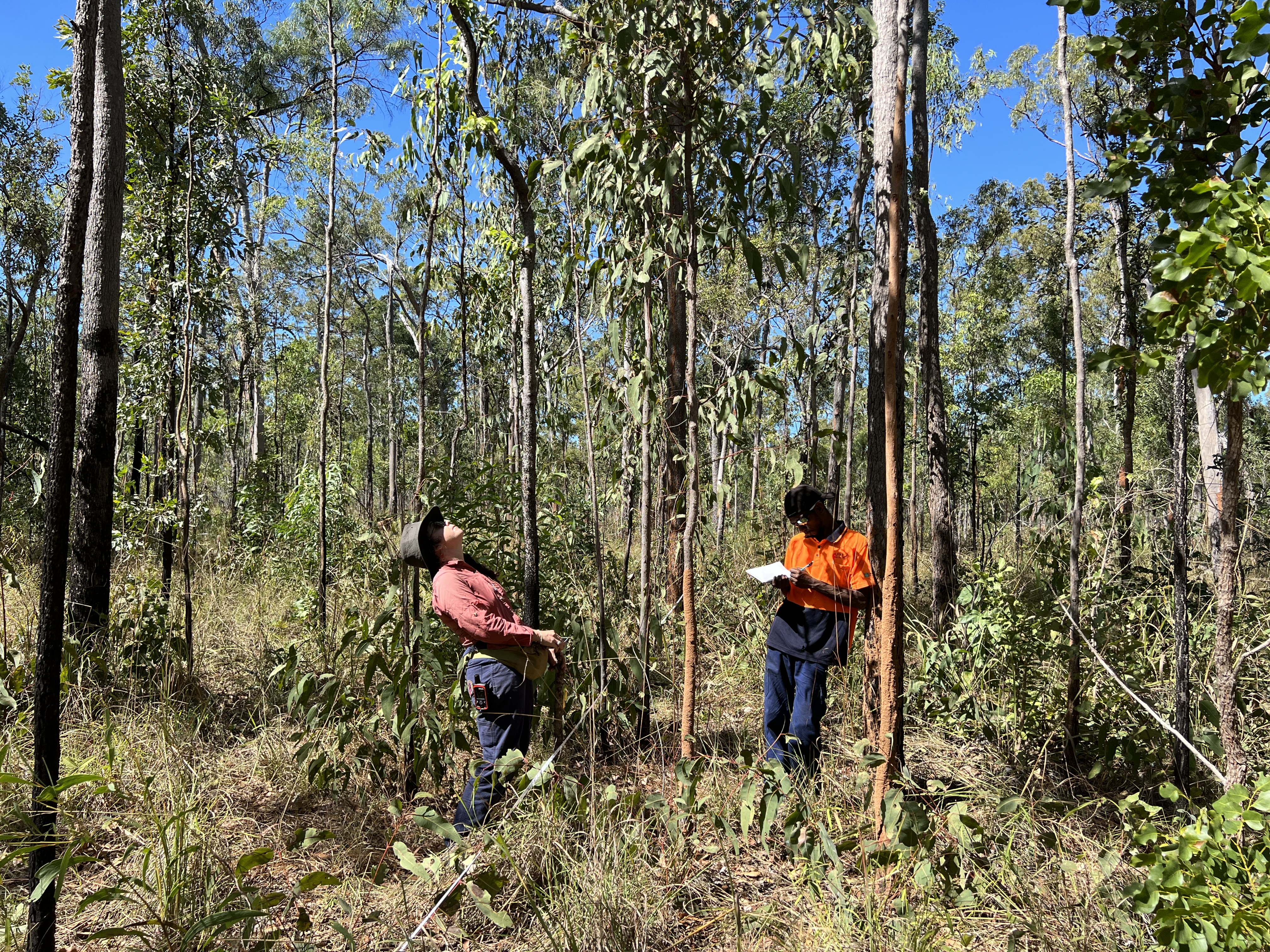
Projects run by First Nations communities often deliver more than just environmental benefits. They provide added benefits like protecting culture and supporting community wellbeing.
Because of this, these projects can earn higher prices for their credits or certificates because buyers value the added social and cultural impact.
Environmental market projects can help protect the environment for future generations, as well leading to jobs, generating an income, and delivering social and cultural benefits within the community. This is especially relevant in rural and remote areas of Australia.
When First Nations people lead environmental projects, they bring deep cultural knowledge and a strong connection to Country.
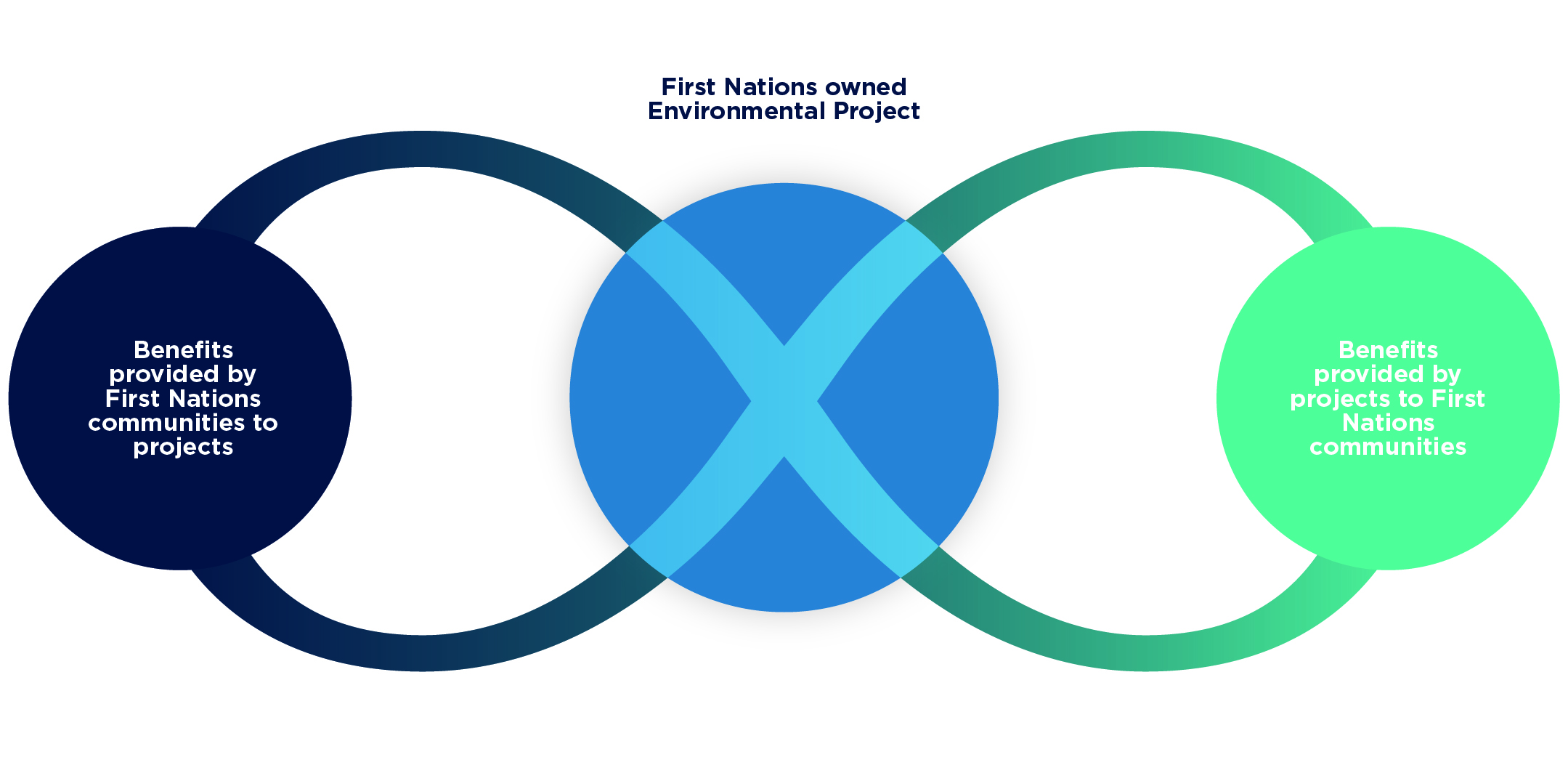
Starting an environmental project can be expensive. Upfront costs can be high and funding support might be needed. If you’re sharing cultural knowledge or helping with someone else’s project, make sure you understand your rights and agree on fair terms.
Some of the opportunities to participate include:
- Lead or co-own projects: First Nations groups can run projects that restore ecosystems, protect species, or manage land using cultural practices. These projects can earn biodiversity or carbon certificates or credits that can be sold.
- Provide consent to projects: Traditional Owners may have the right to say yes (consent) or no to a project. This will depend on the location.
- Share cultural knowledge: Indigenous people with a cultural relationship to a project area may be invited to share knowledge about caring for Country in the project area, including identifying specific cultural outcomes for the project. This might be undertaken in the context of negotiating a share in the benefits or employment in the project services.
- Provide services to projects: Indigenous Ranger groups and consultants may provide paid services to projects, such as design, on-ground works and credit or certificate trading.
- Develop new methods: there are opportunities to get involved in designing market rules and methods. First Nations cultural and ecological expertise can shape how these markets work.
- Earn premium prices: Projects with social, cultural and environmental benefits can attract higher prices.
- Create jobs and skills: Environmental markets need people for land management, monitoring, and reporting. This means long-term employment and training opportunities.
