

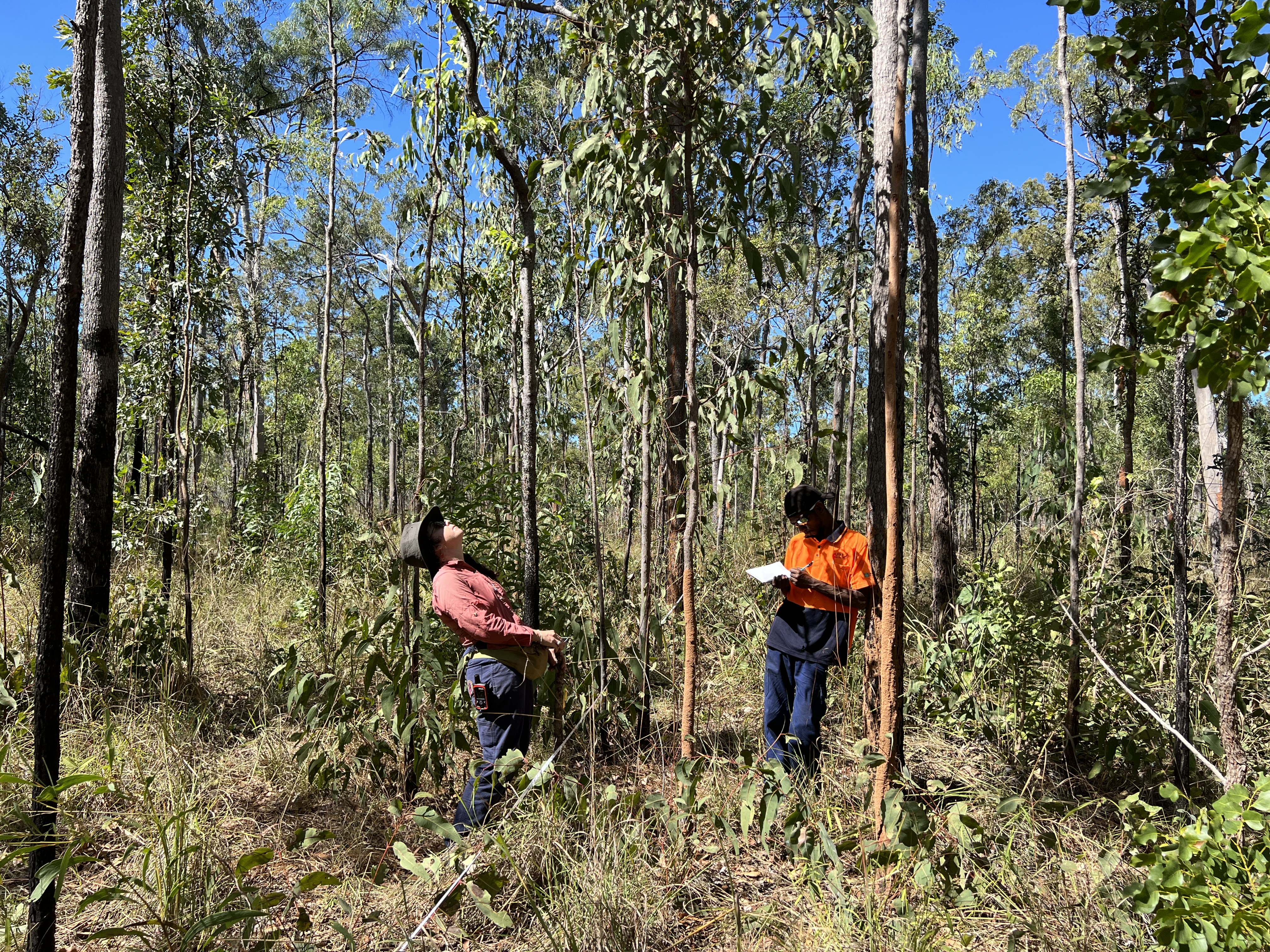
Environmental markets work by having agreed rules and programs that measure how much specific project activities protect or restore the natural environment.
Projects are usually 25 or 100 years. At the conclusion of a project the work to repair or restore the environment is recognised and acknowledged in the form of credits or certificates.
Environmental markets take on many forms, each focused on a different aspect of the environment. Different markets and rules are in place to make sure environmental work is recognised, measured, and rewarded fairly. Some of these markets are run by the government, and others are run by private or independent companies. Projects that meet agreed standards can earn credits or a certificate which can be sold.
This information focusses on markets which create incentives for the restoration or protection of the natural environment and biodiversity. Some projects can also earn carbon credits.
To make sure projects have ecological integrity, transparency, and economic viability there are several stages involved in generating biodiversity credits or certificates. These include:
- Project design: identifying the area(s) for the project, completing an assessment of the current ecological condition to be used as a reference point, and then defining what activities will take place, over what timeframe, and expected outcomes or change to the environment.
- Project engagement: talk to everyone who has an interest in the area about the project. Find out how they want to be involved and if it is appropriate to share cultural knowledge. This includes Traditional Owners and anyone else with financial or other interests. Some of these people may need to give consent before the project can start.
- Biodiversity measurement and verification: using standardised biodiversity metrics, set out specific details of the project including what will be measured, how it will be measured, and when it will be measured. Seek confirmation from independent group to verify the details.
- Project registration: register the project with the relevant administrator/ regulator.
- Project implementation: start the project activity, monitor and measure changes. Keep track of activities and biodiversity outcomes. Provide regular reports or updates to the relevant authority. Depending on the project lifetime, there may be ongoing commitments to monitor and report after credits/certificate have been issued.
- Application for credits/certificate: once the results of your project (changes in biodiversity) have been verified the relevant regulatory or administering body will issue credits or a certificate. These will be recorded in a public or private registry to provide transparency and prevent double-counting.
- Sale and use: once issued, businesses, governments, or individuals can buy these credits or certificates to support environmental work or meet sustainability goals. They can also be traded. Some buyers use credits to meet biodiversity offset obligations or voluntary sustainability goals. When this is done, credits/certificates are removed from the relevant registry to prevent reuse and ensure integrity of the relevant scheme.

